The SBIR program has restarted.
Agencies are accepting proposals again — and competition will be fierce.


- SBIR • STTR • Non-Dilutive Funding
Non-Dilutive Grant Funding for R&D and Technical Founders.
Practical guidance, tools, and support for founders who are serious about winning federal grant funding — not just applying for it.
After months of disruption, SBIR agencies are issuing solicitations again. If you have been waiting, or if you are new to the process, the time to prepare is now — competitive proposals are not written in a week.
15 yrs
NSF SBIR review
175+
Startups advised
11
Federal agencies
- Who this is built for
This Hub Is For Founders Who:
01
Have a technical or R&D-driven business and a real innovation to develop
02
Understand that grant funding requires planning, structure, and a compelling technical narrative
03
Want to pursue non-dilutive funding deliberately — not because it sounds easier than raising money
- Not sure if grants are right for you?
- The Reality
What Grant Funding Can (and Can not) Do
Federal grant funding — especially SBIR and STTR — is one of the most powerful non-dilutive tools available to deep-tech founders. But it is frequently misunderstood.
What Grant Funding Can Do
- Fund R&D and early-stage technical development without giving up equity
- De-risk innovation before manufacturing or scale
- Validate technical feasibility and strengthen investor position
- Build credibility with agencies, partners, and customers
What Grant Funding Cannot Do
- Replace customers or commercialization strategy
- Guarantee technology success
- Eliminate business risk
Winning SBIR funding requires the same rigor as any competitive technical process.
- Federal Programs
What Types of Grants Are Available
The U.S. federal government funds small business innovation through SBIR and STTR programs. Eleven agencies participate, including NSF, DOE, NIH, DOD, and NASA. Each agency has its own priorities, solicitation cycles, and review criteria — and choosing the wrong agency for your technology is one of the most common and costly mistakes founders make.
With solicitations now reopening across agencies, understanding which agency and topic area fits your technology is the critical first step.
NSF
National Science Foundation
DOE
Department of Energy
NIH
National Institutes of Health
DOD
Department of Defense
NASA
Aeronautics & Space
+ 6 more agencies
participating in SBIR / STTR
- Step One
Am I Eligible for Grant Funding?
SBIR and STTR eligibility has specific requirements around business size, ownership, and structure. Confirming eligibility before investing time in a proposal is not optional — it is step one.
Business size
Verified before you write
U.S. ownership
Verified before you write
Company structure
Verified before you write
Employee count
Verified before you write
- How It Works
The Grant Application Process
Federal grant applications follow a structured, competitive review process. Reviewers score proposals against defined criteria — and most proposals that fail do so because of weak commercialization narratives, vague R&D plans, or a mismatch between the technology and the agency’s priorities. Understanding how the process works before you write is what separates funded proposals from the rest.
1
Identify opportunity
Match your technology to open solicitations across all 11 SBIR agencies.
2
Match technology with agency priorities
Align technical merit with each agency's mission and topic areas.
3
Build technical narrative
Structure R&D plan, milestones, and feasibility around reviewer criteria.
4
Develop commercialization plan
Show market, customer, and revenue path with specificity.
5
Submit competitive proposal
Ship a reviewer-ready package that clears merit and commercial gates.
- Tools
Grant Search & Listings
Grant Search Tool
Search current SBIR/STTR opportunities across all participating agencies.
SBIR Awards
Temporarily unavailable — SBIR.gov under maintenance.
SBIR Listings
Temporarily unavailable — SBIR.gov under maintenance.
Notice: SBIR.gov award and listing databases are currently undergoing maintenance and are temporarily unavailable. Check back soon, or use the Grant Search Tool above to explore current opportunities in the meantime.
- Watch & Learn
Watch: Grant Funding Insights from Dr. Spiegel
Short, practical videos on SBIR strategy, proposal writing, commercialization planning, and what federal reviewers actually look for.
From someone who has been on both sides of the process.
- Courses & Guided Programs
Courses & Guided Programs
Structured programs for founders who want to build proposal-ready documents — not just learn about the process.
- Proposal
30-Day Grant Writing Challenge
Build a complete, reviewer-ready SBIR proposal in 30 days using a section-by-section framework developed by a Ph.D. engineer who has reviewed hundreds of NSF, DOE, and NIH proposals.
- R&D
30-Day R&D Plan Challenge
Build a clear, defensible R&D plan covering technical milestones, feasibility validation, and development narrative.
- Commercialization
30-Day Commercialization Plan Challenge
Develop the commercialization plan SBIR reviewers actually want to see.
- 1:1 Advisory
When You Want Direct Support
Sometimes structured programs are not enough — especially when the stakes are high or a submission deadline is close. Dr. Spiegel works directly with founders on:
- SBIR/STTR Phase I & II proposal review
- Technical merit assessment
- R&D plan structure
- Commercialization narrative development
- Reviewer score optimization
- Deep-tech commercialization strategy
With 15 years of NSF SBIR proposal review experience and 175+ startups advised, this is not general grant coaching — it is expert review from someone who has sat on both sides of the process.

15 yrs
NSF SBIR proposal review experience
175+
Startups advised
- Insights
Grant-Focused Insights

- Strategy
- 5 min read
SBIR Is Back: What Every Startup Founder Needs to Know Before You Submit

- R&D Plan
- 5 min read
How to Get Started Writing a Commercialization Plan (Step-by-Step for Founders
- Free Founder Library
Free Founder Library
Start with structure. Skip the guesswork.
Most technical founders waste months chasing the wrong path — applying for funding they are not ready for, building commercialization plans that don’t hold up under scrutiny, or skipping R&D planning entirely until a reviewer or investor asks for it.
The Free Founder Library gives you the frameworks to avoid that — built by a Ph.D. engineer who has reviewed hundreds of NSF, DOE, and NIH proposals and advised 175+ deep-tech startups.
With SBIR agencies issuing solicitations again after months of disruption, this is the right time to get your foundation right — before you write a single word of a proposal.
(No hype. No fluff. Built for serious builders.)
- Get immediate access to structured ebooks and frameworks covering:
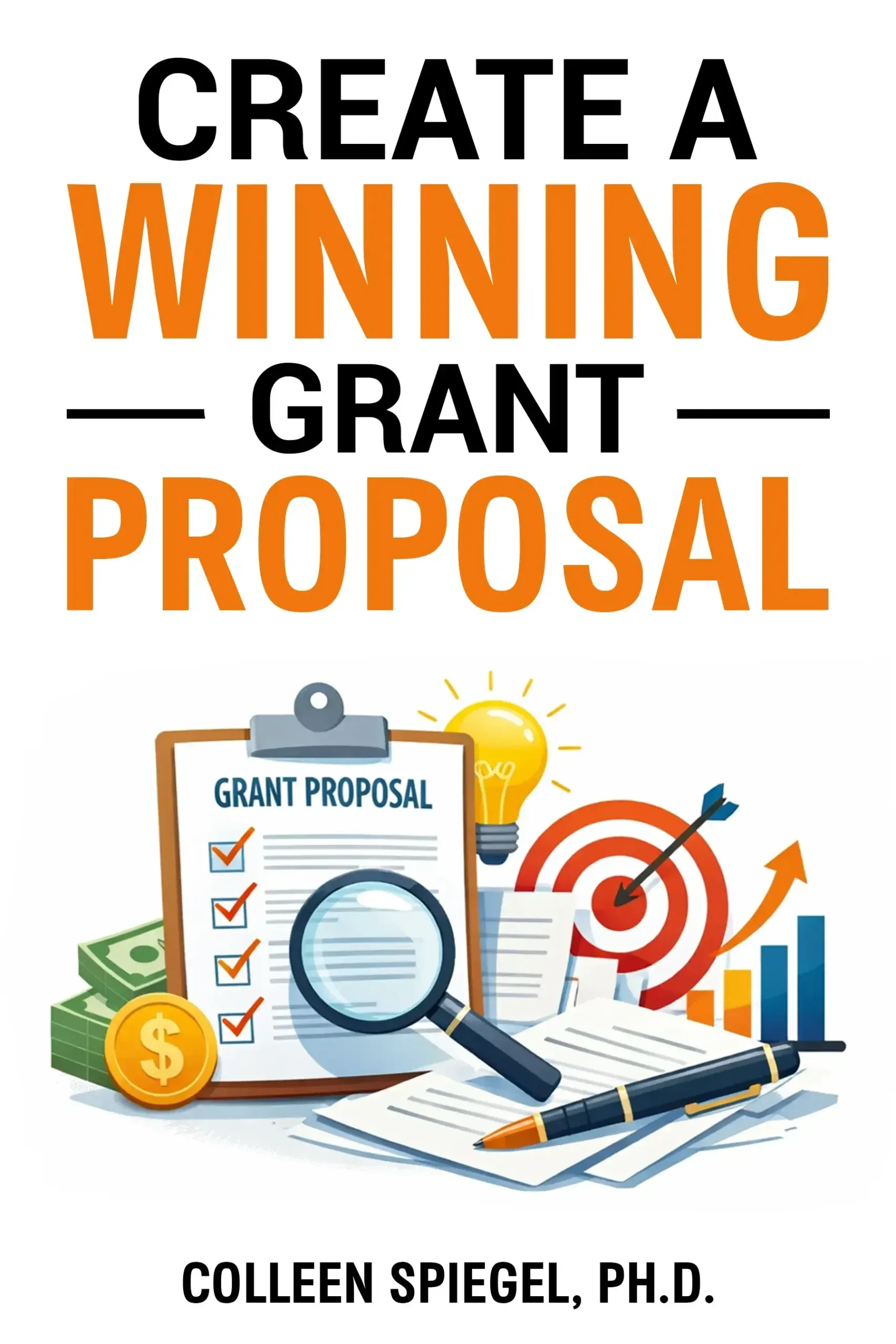
Create a Winning Grant Proposal
Ebook + framework
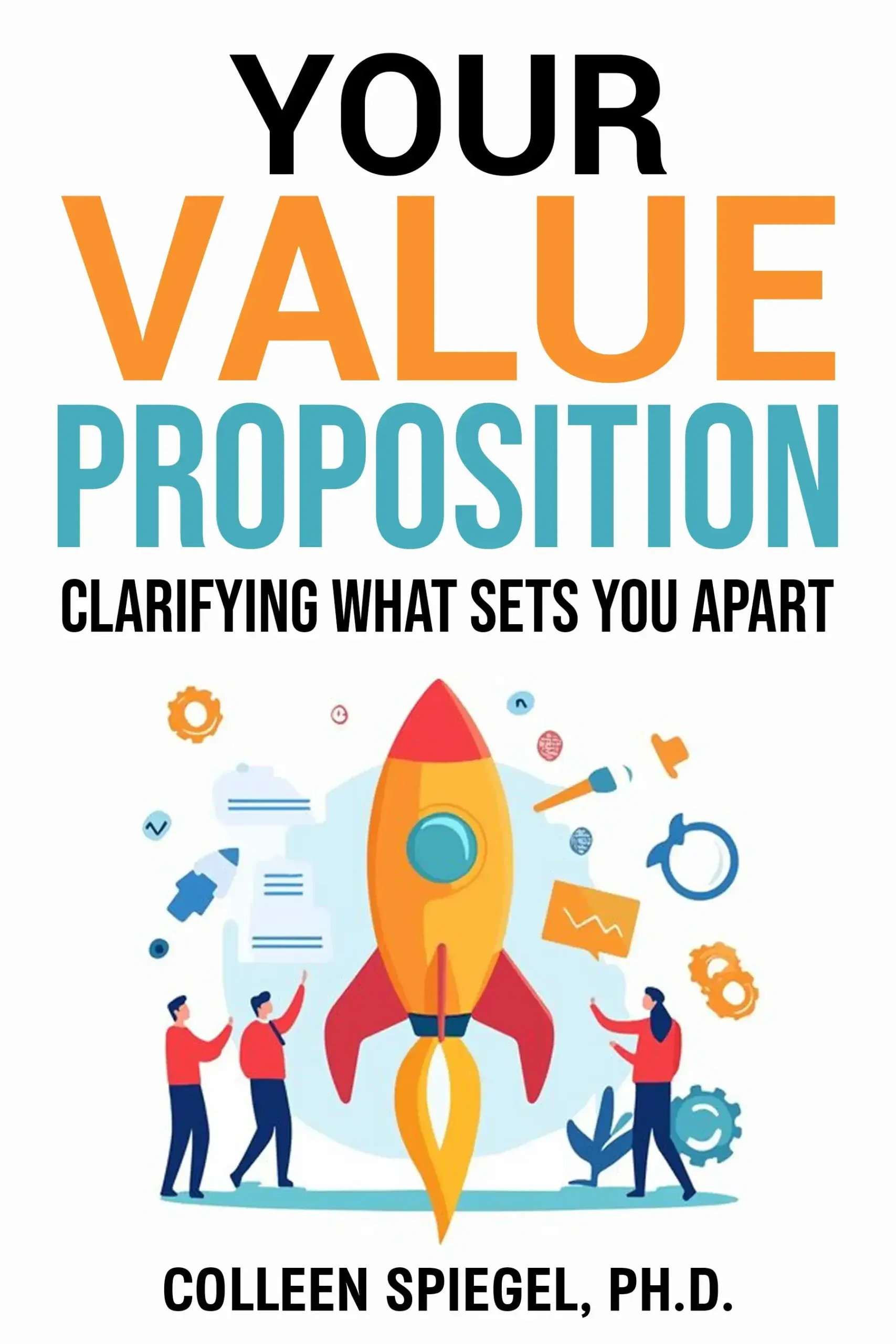
Your Value Proposition: Clarifying What Sets Your Product Apart
Ebook + framework
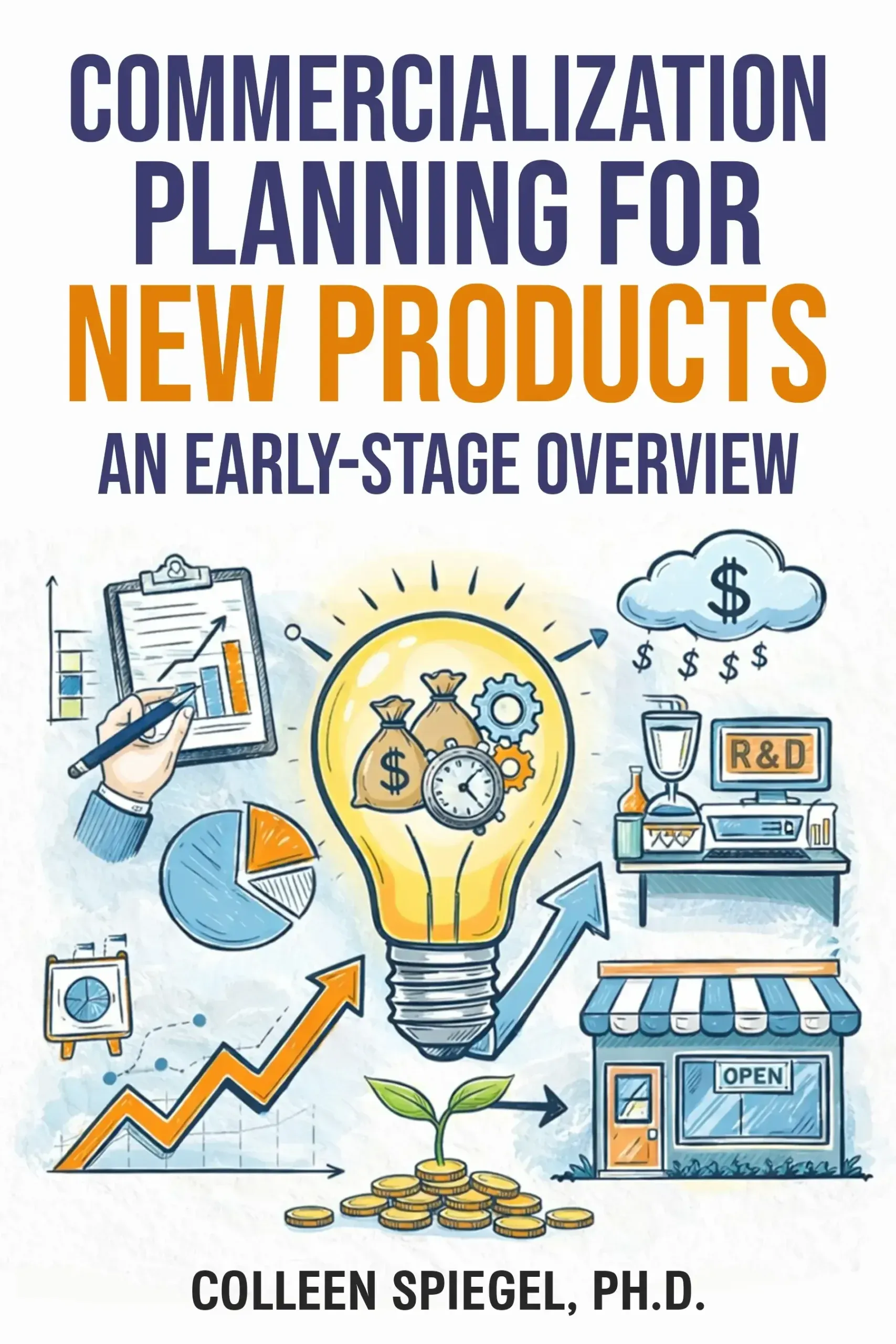
Commercialization Planning for New Products
Ebook + framework
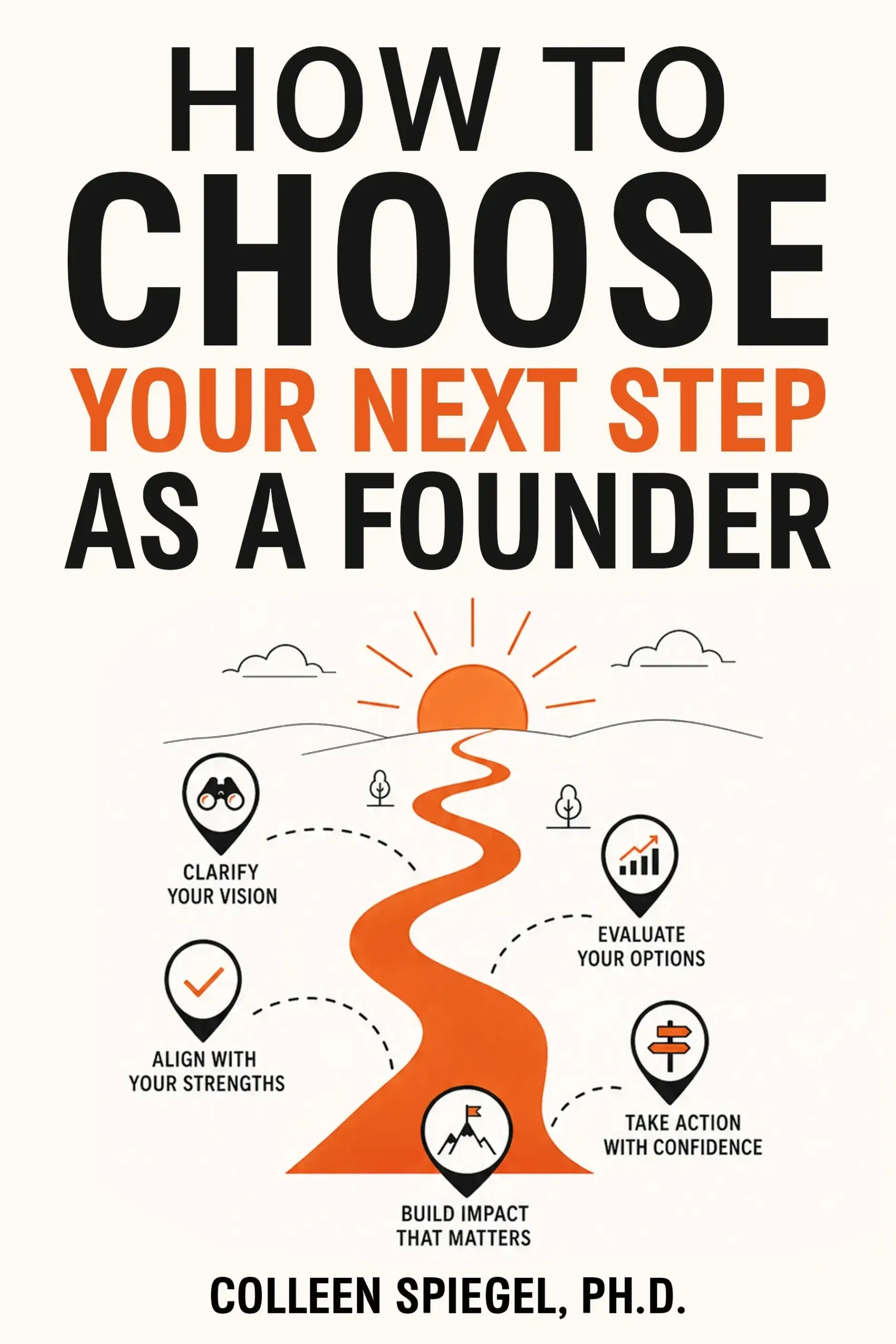
How to Choose Your Next Step as a Technical Founder
Ebook + framework
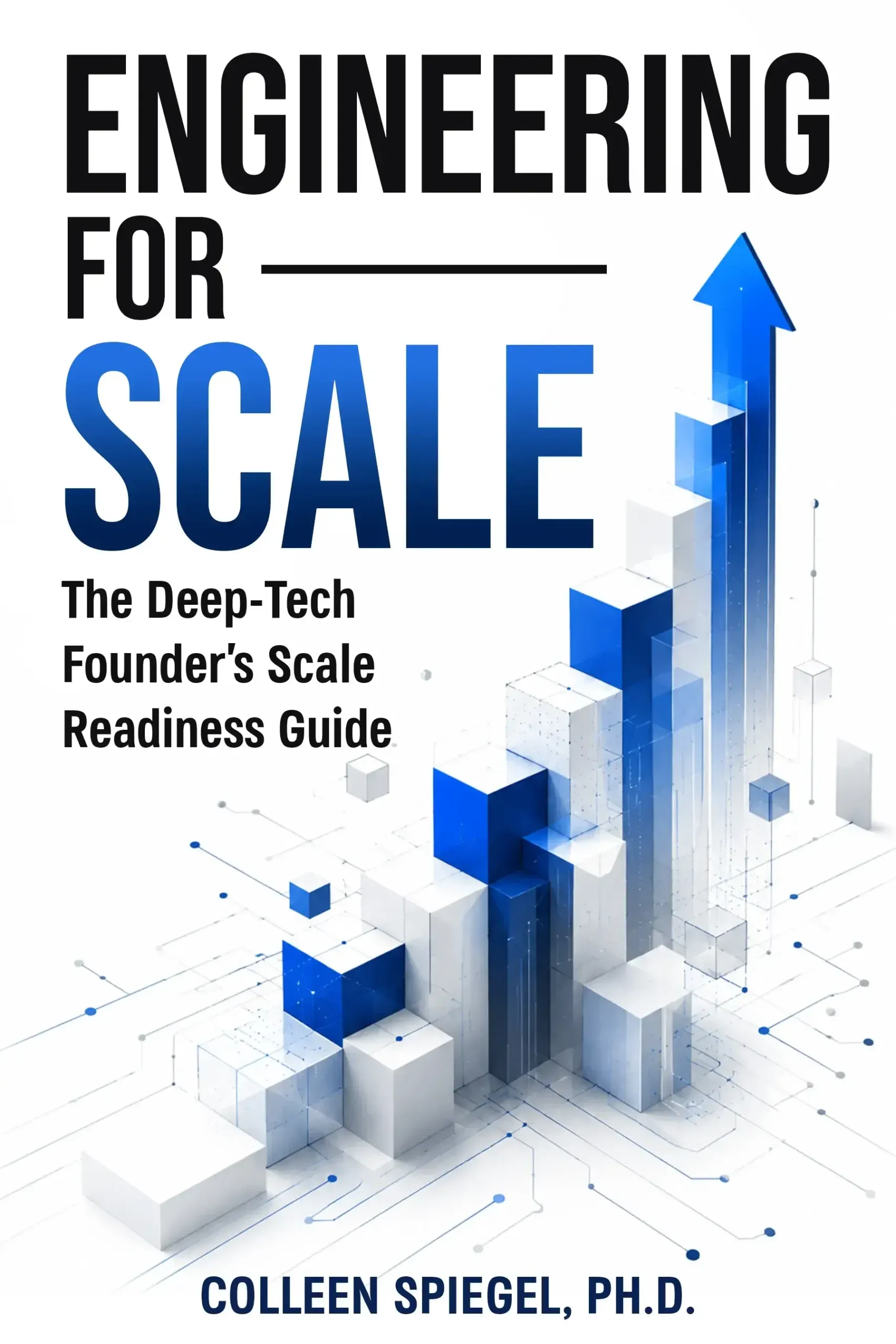
Engineering For Scale
Ebook + framework
Manufacturing Risk Guide
Ebook + framework
- FAQ
Frequently asked questions
Who is this hub for?
R&D-driven and technical founders pursuing SBIR/STTR and other non-dilutive federal funding — deliberately, not because it seems easier than raising equity.
Is SBIR the right path for my company?
SBIR fits companies developing a real technical innovation with a defensible R&D plan and a credible commercialization path. Eligibility rules on business size, ownership, and structure apply — start with the Eligibility Quiz.
How long does it take to write a competitive proposal?
Competitive proposals are not written in a week. Plan on several weeks of focused work — the 30-Day Grant Writing Challenge gives you a section-by-section structure to move fast without cutting corners.
Do you help with Phase I and Phase II?
Yes. Dr. Spiegel works directly with founders on proposal review, commercialization narrative, technical merit assessment, and reviewer score optimization for both Phase I and Phase II.
What agencies do you cover?
All 11 SBIR-participating agencies, with deep expertise in NSF, DOE, NIH, DOD, and NASA priorities and review criteria.
Is the Free Founder Library really free?
Yes — no hype, no fluff. Immediate access to ebooks and frameworks built for serious builders.
- Ready When You Are
Ready to build your funding strategy?
Start structured. Move fast. Submit competitive proposals with the same rigor federal reviewers use to evaluate them.